Eco-Friendly Home Window Solutions: Enhancing Comfort and Sustainability
As climate awareness grows, many homeowners are seeking new ways to improve their homes’ efficiency while reducing their environmental impact. One area where eco-friendly upgrades can make a significant difference is with window selection and maintenance. By considering innovative products and sustainable practices, you can enhance comfort, boost energy efficiency, and support a healthier planet. Homeowners exploring solutions like replacement window options can effectively update their property for maximum efficiency and long-term savings.
Windows are crucial for home energy efficiency, significantly impacting heating and cooling costs, maintaining stable indoor temperatures, and filtering contaminants and UV rays. Upgrading to eco-friendly windows enhances property value, lowers maintenance costs, and provides stylish, comfortable designs that don’t sacrifice aesthetics for functionality. Modern eco-friendly windows feature sleek profiles, customizable finishes, improved insulation, and light regulation. As sustainability becomes increasingly important, manufacturers are innovating with sustainable materials and advanced technologies, offering consumers diverse options that ensure both performance and style, ultimately leading to more comfortable and resilient living environments.
Understanding Eco-Friendly Windows
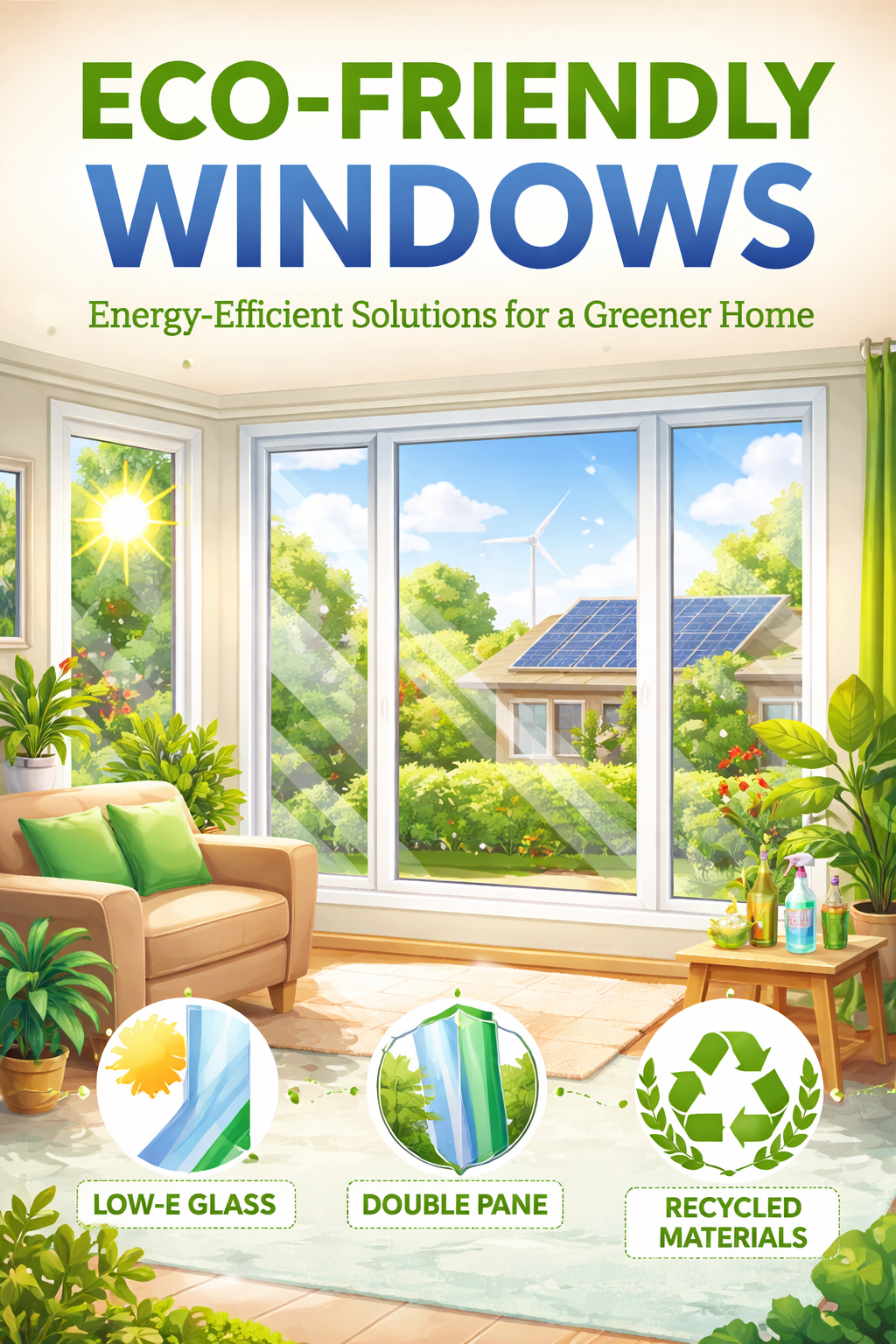
Eco-friendly windows are engineered to improve insulation and minimize heat transfer. Most feature multiple panes of glass, advanced Low-Emissivity (Low-E) coatings, and inert gas fills such as krypton or argon, sandwiched between panes. This blend of technologies ensures windows trap warmth in winter and cool air in summer, reducing your dependence on HVAC systems and lowering utility bills.
The construction of these windows also includes specialized seals and durable frame materials to further limit air leakage. Modern eco-friendly options often exceed Energy Star standards, offering performance guarantees and long-term peace of mind, while reducing your home’s carbon footprint.
Benefits of Eco-Friendly Windows
Energy efficiency in homes can be significantly enhanced through the use of premium insulation, which, according to the U.S. Department of Energy, can reduce energy consumption by up to 30 percent. Additionally, low-emissivity (Low-E) coatings provide increased ultraviolet (UV) protection, safeguarding interiors by preventing color fading of floors, furnishings, artwork, and fabrics. Multi-pane window constructions help reduce noise, creating a more peaceful and private living environment. Furthermore, incorporating energy-efficient features enhances the property’s desirability and resale value by emphasizing sustainability and energy savings.
Innovative Materials and Technologies
Recent advancements in window technology feature smart glass systems that use chiral ferroelectric nematic liquid crystals, enabling automatic adjustment of sunlight opacity for energy efficiency. This innovation allows homes to remain cool without heavy drapes or blinds. Additionally, companies are producing window frames from sustainably sourced materials, such as wood and recycled metals, to minimize environmental impact. Furthermore, new technologies facilitate integration with smart home systems, promoting automatic adjustments based on weather or user preferences, thereby enhancing energy savings and comfort. Manufacturers are also adopting circular-economy practices, implementing take-back programs for recycling old materials, which support sustainable home improvement efforts.
Eco-Friendly Window Cleaning Practices
Maintaining eco-friendly windows is crucial post-installation. Utilizing green cleaning solutions prevents harmful chemicals from entering the home and local water sources. Eco-friendly window-cleaning services in cities like Chicago prioritize environmental responsibility. Homeowners can adopt DIY methods using natural ingredients like vinegar and lemon juice for effective cleaning while reducing waste with microfiber cloths. These sustainable practices not only keep windows clean but also enhance their efficiency and lifespan, benefiting the environment.
Choosing the Right Eco-Friendly Windows
To achieve maximum efficiency when selecting windows, look for Energy Star certification. Consider using sustainable frames made of recycled materials or certified wood. The type of glazing is important; opting for double- or triple-glazing with Low-E coatings enhances performance and comfort. Additionally, hiring experienced installers is essential, as proper installation helps prevent air leaks and maximizes the financial benefits of energy-efficient windows.
Financial Incentives and Rebates
Government programs can help offset the cost of eco-friendly window upgrades. Homeowners may be eligible for tax credits, rebates, or favorable loan terms when they choose qualifying products. Incentives can vary widely based on location, so check municipal, state, and federal resources for current offerings to maximize your returns. The Environmental Protection Agency offers guidance on identifying and applying for such incentives.
Energy-efficient upgrades can be a substantial initial investment, but local utilities, green building initiatives, and federal sustainability programs often provide additional savings or financing support. Some cities even feature competitions or challenges that reward residents for reducing home energy usage, further motivating eco-friendly window adoption. Always review program guidelines and keep receipts or certifications for future rebate claims and tax purposes.
Conclusion
Transitioning to eco-friendly window solutions enhances home comfort, saves money, and benefits the environment. By staying up to date with innovative materials, technologies, and sustainable practices, homeowners can create stylish, energy-efficient spaces. Investing in sustainable windows is a long-term commitment to a healthier future, significantly reducing energy use and improving indoor air quality. Such choices promote environmental stewardship and contribute to greener neighborhoods and healthier communities, whether for renovations or new constructions.