Are Log Cabin Kits Environmentally Friendly?
Introduction
Interest in sustainable living has dramatically increased, with many homeowners looking for options that blend comfort, style, and eco-conscious choices. Log cabin kits have emerged as a popular solution for those who wish to escape urban life and connect with nature in eco-friendly dwellings. As more people explore the possibilities, questions arise about whether these kits minimize their environmental footprint or offer rustic charm.
Industry leaders such as Frontier Log Homes demonstrate that thoughtfully designed and ethically sourced log cabin kits can deliver on the promise of greener building. Their focus on quality materials and robust construction processes sets a gold standard for beauty and sustainability in log homes.
Sustainable Sourcing of Materials
The foundation of an eco-friendly log home begins with careful selection and management of timber. Sustainable forestry practices ensure forests remain healthy and productive for generations to come. Many top manufacturers partner with local foresters, planting new trees to replace those harvested and preserving natural habitats for wildlife. These initiatives mitigate deforestation and reinforce the long-term viability of woodland resources. Sustainably managed wood is one of the few building materials that can actively sequester carbon, helping offset greenhouse gas emissions over time.
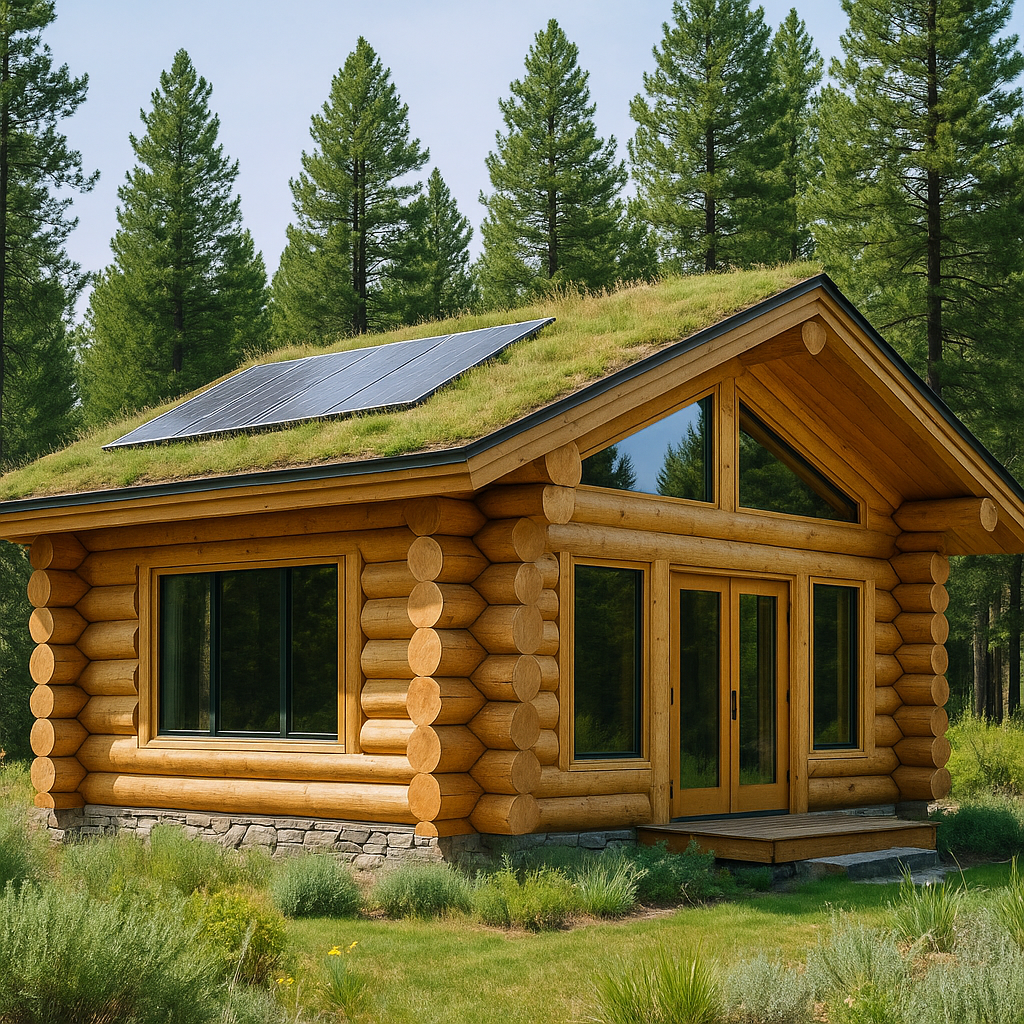
Energy Efficiency and Natural Insulation
One of the key advantages of log home construction is energy efficiency. The natural thermal mass of solid wood regulates indoor temperatures more effectively than conventional framed walls. Well-built log cabins can retain heat in winter and remain cool during summer, significantly reducing the energy needed for heating and cooling. Incorporating advanced insulation materials and modern building envelopes reduces energy consumption, lowering utility bills and minimizing environmental impact. According to the U.S. Department of Energy, superior insulation and airtight construction are among the most impactful ways to cut residential energy use.
Use of Recycled and Renewable Materials
Sustainability doesn’t end with timber. Many modern log cabin kits now feature wooden beams salvaged from old barns or warehouses, along with recycled metal roofing and fixtures. Choosing reclaimed materials where possible reduces demand for virgin resources, minimizes waste, and decreases environmental degradation associated with new material extraction and processing. Integrating renewable elements like bamboo flooring or natural fiber insulation demonstrates a commitment to responsible building.
Low Environmental Impact Construction
Unlike traditional stick-built homes, log cabin kits arrive at the site with pre-cut components ready for assembly. This prefab approach means less on-site waste and fewer delivery trips, which helps to keep construction-related carbon emissions low. The streamlined installation process is less invasive, preserves more of the surrounding landscape, and typically requires less heavy equipment, which reduces soil disturbance and prevents unnecessary habitat loss. These lower-impact methods are vital for protecting the ecosystems where cabins are built.
Longevity and Durability
Log homes are engineered for resilience. Properly maintained, a quality log cabin can last for many decades, sometimes centuries. This type of durability inherently supports sustainability—longer-lasting structures mean fewer resources are consumed over time for repairs, renovations, or new construction. Furthermore, because most log homes are designed for easy maintenance, the carbon footprint associated with upkeep is minimal compared to traditional houses.
Healthier Living Environment
Natural wood has unique properties that foster a healthier indoor environment. Wood can help regulate humidity, naturally filter indoor air, and create a comfortable, breathable living space. When paired with non-toxic finishes and environmentally preferable adhesives, log homes minimize indoor air pollution, avoiding harmful chemicals frequently found in conventional building materials. This contributes to eco-friendliness and the general well-being and comfort of those living there.
Conclusion
When manufactured and assembled with environmental responsibility in mind, log cabin kits offer an outstanding option for those who value sustainability and comfort. This home style remains one of the greenest choices for future homeowners through ethically sourced materials, innovative insulation methods, and the integration of recycled and renewable products. By leading the charge with conscientious construction practices, companies exemplify how eco-friendly living can be achieved without sacrificing style or quality. As consumer interest and technological capability grow, log cabin kits will continue to set new standards for sustainable living.