Sonoran Desert Institute Reviews: Evaluating Online Gunsmithing Programs
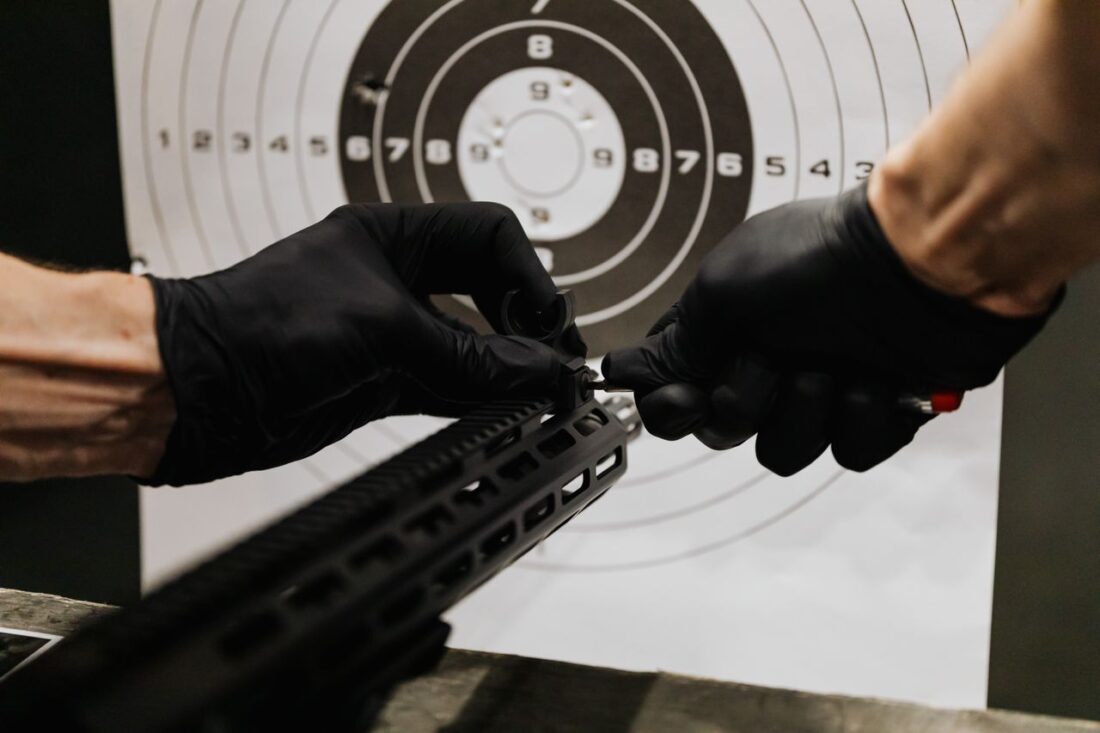
Online gunsmithing education gives adults a way to combine structured technical study with hands-on projects without relocating or commuting to a campus. For people balancing work, family, or other responsibilities, that flexibility can make formal technical education more practical. Sonoran Desert Institute (SDI), which is accredited by the Distance Education Accrediting Commission (DEAC), offers online Firearms Technology programs that pair distance education with structured hands-on projects that are completed at home. Evaluating an investment in education means looking at how the curriculum, schedule, support, and cost fit the learner’s goals and resources. Readers comparing Sonoran Desert Institute reviews may also want to weigh the practical and financial demands of online gunsmithing study.
A sound decision starts with the credentials themselves and the way the program is delivered. Cost matters, but so do accreditation, curriculum depth, instructor access, hands-on requirements, pacing, student support, and the Fit between the school’s format and a student’s goals. Reviews can add useful context, while current school information provides the details needed to judge what is actually being offered.
Define What “Worth the Investment” Means
Value is personal, but it should not be vague. One student may want a structured credential that organizes a long-standing firearms interest into formal coursework. Another may be preparing for work in a firearms-related setting, while someone else may want a deeper technical foundation for a hobby or a future business idea. Those goals create different standards for deciding whether the time and expense make sense.
The strongest comparison begins with a clear outcome that does not depend on an assumed job or financial return. A student can ask whether the program covers subjects relevant to the intended use of the education, whether the delivery format supports consistent learning, and whether the total cost fits the household budget. The same program can offer different value depending on a student’s goals, schedule, and preferred learning format.
For a prospective student evaluating Sonoran Desert Institute, value depends on whether the school’s current Firearms Technology curriculum, schedule, support, and cost align with the student’s specific reason for enrolling. Price alone cannot establish that Fit.
Verify Accreditation Before Comparing Features
Accreditation provides information about institutional review and academic oversight. The U.S. Department of Education currently lists the Distance Education Accrediting Commission among recognized institutional accrediting agencies whose scope includes postsecondary institutions that primarily deliver education through distance or correspondence methods. DEAC also maintains a directory of accredited institutions.
Accreditation does not settle every personal fit question. It does give prospective students a concrete institutional factor to verify before they spend time comparing course names, schedules, or student experiences. A school that presents itself as a formal postsecondary institution should make its accreditation status clear and verifiable.
Read the Curriculum as a Sequence of Skills, Not a Course List
A long list of course titles can look substantial without revealing whether the subjects build toward the student’s goal. The better test is whether the curriculum moves from foundational knowledge into applied technical work in a coherent order. Gunsmithing education can include firearms mechanics, laws and responsibilities, tool use, maintenance, troubleshooting, machining principles, and other high-level technical subjects relevant to the craft.
The current Certificate in Firearms Technology – Gunsmithing at SDI is a 32-credit program divided across two 16-week semesters. Its listed coursework includes Principles of Mechanics in Firearms, Principles of Ammunition and Basic Ballistics, Firearms Laws, Rights, and Responsibilities, Hand and Specialty Tools in Gunsmithing, Maintenance and Troubleshooting of Firearms, Basic Power Tools, and Machining.
Principles, General Gunsmithing Modifications, and an elective. Course availability can vary by semester. A prospective student should compare those subjects with the skills they actually want to develop. Someone interested in broad firearms technology may value a curriculum that covers several technical areas, while a learner with a more specific goal can look closely at the coursework most relevant to that interest. The presence of relevant courses matters more than the number of courses alone.
Curriculum review also distinguishes formal education from casual instructional content. A structured academic program has assignments, assessments, deadlines, and defined academic expectations. Those requirements create a different learning experience from watching independent videos or reading stand-alone tutorials.
Decide Whether the Online Format Fits Hands-On Learning
Gunsmithing is a technical field that benefits from opportunities to connect academic study with practical experience. In an online program, prospective students can look at how coursework incorporates hands-on projects, how instructors provide guidance, what tools and materials support assignments, and how students demonstrate their work. Together, these elements help create a learning experience that extends beyond reading and online lessons.
SDI’s current online learning information describes a combination of written assignments, discussion boards, quizzes, exams, audiovisual submissions, and hands-on projects. Students have opportunities to engage with course material in several ways while progressing through structured weekly academic activities. Published information also explains technology requirements, instructor guidance, and assignment expectations, giving students a clearer picture of how online study is organized.
Tools and materials also play a role in supporting the certificate’s hands-on coursework. Requirements vary by course, with materials and equipment connected to the technical work students complete. Reviewing those requirements alongside the curriculum can help prospective students see how individual assignments relate to the practical side of their education.
The online format can be especially useful for adults who want to complete coursework and hands-on projects from home while balancing education with other responsibilities. A prepared workspace, reliable computer and internet access, appropriate storage, and regular time for coursework can help students establish a productive study routine. With those pieces in place, students can approach online lessons and practical projects as connected parts of the same educational experience.
Consider the Support Available for Online Study
Online students manage coursework while balancing the schedules and responsibilities of everyday life. Having clear resources and points of contact can make it easier to stay organized, address questions, and keep up with academic requirements throughout a program.
SDI’s current public materials describe several forms of student support, including Student Success staff, financial services, registrar services, military and veterans’ services, and career and alumni services. The online learning experience also includes instructor guidance and regular interaction as students move through their coursework.
Different resources can become useful at different points in the student experience. Someone getting accustomed to online coursework might have questions about technology or navigating the learning environment. Other students may need assistance with records, financial matters, enrollment information, or military and veterans’ resources. Having dedicated services for these areas gives students a clearer path for finding the appropriate assistance when questions come up.
These resources work alongside instruction as part of the broader educational experience. From Student Success and instructor access to administrative and career services, SDI provides several points of contact that students can use as they progress through their program.
Consider How the Program Supports Career Preparation
Career preparation can take several forms within a technical education program. Coursework can help students develop subject knowledge, become more familiar with professional practices, and gain experience completing structured technical work. Prospective students can look at these elements alongside their own interests and the types of opportunities they may want to explore after completing their education.
Within gunsmithing education, that preparation can include experience with technical documentation, safe work practices, troubleshooting, lawful conduct, tool use, communication, and organized project work. Hands-on assignments can also give students opportunities to apply concepts covered in their courses and become more comfortable working through technical tasks from start to finish.
SDI also provides Career and Alumni Services, with staff roles dedicated to career services and advising. These resources can help students think about how to present their education, skills, and experience as they consider professional goals and future opportunities. Career support adds another resource students can draw on as they move from coursework toward their next steps.
Looking at career preparation as a combination of technical knowledge, completed academic work, practical experience, and available career resources provides a fuller picture of what a program offers. Students can consider how those pieces relate to their individual goals and how they may use what they have learned beyond the classroom.
Consider How the Program Schedule Fits Your Routine
Program length is easier to evaluate when students can see how the academic schedule fits into their existing routines. Work, family responsibilities, and other commitments can all shape when coursework gets done, making it useful to consider both the overall length of a program and the weekly rhythm of online study.
The academic calendar provides defined term dates, while individual courses follow weekly academic requirements. This structure gives prospective students information they can use to plan ahead and determine how coursework can fit alongside their other responsibilities.
Online delivery provides flexibility in where students complete much of their coursework while maintaining a structured academic schedule. Throughout the program, students make time for reading, participation, assignments, assessments, and hands-on projects. Establishing regular periods for coursework can help create a steady routine and give students dedicated time to focus on both the academic and practical parts of the program.
Bring the Main Program Details Together
Comparing online gunsmithing programs means looking at several parts of the educational experience together. Accreditation and the type of credential provide a starting point, while the curriculum shows what students will study throughout the program. Course sequence, technical subjects, safety topics, tools, and applied work can help prospective students see how the education relates to their interests. The hands-on structure adds another important part of that picture, including the projects students complete, the materials and tools involved, and the way practical assignments are incorporated into online coursework.
Program length, weekly expectations, and cost also help prospective students develop a clearer idea of what enrollment will involve. Published term dates and academic schedules can be considered alongside work, family, and other responsibilities, while tuition, fees, materials, technology needs, and available funding information provide a broader view of the financial commitment. Student services add further context, including instructor access, Student Success, administrative and financial services, military and veterans’ resources, and career support available throughout the educational experience.
Reviews can then add individual perspectives to the current program information provided by the school. Recent, detailed student experiences may offer additional insight into coursework, communication, support, scheduling, and other parts of online study. Looking at those perspectives alongside current information about accreditation, curriculum, hands-on learning, cost, schedule, and student resources creates a more complete picture. Prospective students can then consider how the different parts of a program work together and how well the overall educational experience aligns with what they hope to gain from their studies.
A Closer Look at SDI’s Gunsmithing Certificate
SDI’s Certificate in Firearms Technology – Gunsmithing brings online technical study and hands-on learning together within a defined academic program. The 32-credit certificate is structured across two 16-week semesters and includes coursework covering firearms mechanics, tools, maintenance and troubleshooting, machining principles, firearms laws and responsibilities, and other areas related to firearms technology. Hands-on projects give students opportunities to apply concepts from their coursework as they progress through the program.
The program’s structure also gives prospective students a clear view of what the educational experience involves. SDI publishes information about the curriculum, academic schedule, technology requirements, tuition and resource fees, as well as the tools and materials associated with coursework. Students also have access to instructor guidance and a range of services, including Student Success, financial services, military and veterans’ resources, and Career and Alumni Services.
Together, these elements show how the certificate is designed as a complete learning experience rather than a collection of individual courses. Prospective students can review the technical subjects, hands-on components, online format, schedule, student resources, and program costs in relation to what they want from their education. Having those details available makes it easier to see how SDI’s gunsmithing certificate can fit into a student’s educational plans and longer-term goals.
Finding the Right Fit for Your Goals
Choosing an online gunsmithing program is a personal decision shaped by what a student hopes to learn, how they prefer to study, and the type of educational experience they are looking for. Accreditation, curriculum, hands-on learning, schedule, cost, student support, and career resources all help provide a fuller picture of what a program offers.
Taking the time to look at the complete experience can make the decision more informed and more personal. Rather than focusing on a single feature, students can consider what they want from their education and how the different parts of the program support those goals. For prospective students exploring online gunsmithing education, that broader view can help them determine whether SDI offers the learning experience they are looking for.