Why More Buyers Choose to Buy Copper Bullion in Bars and Rounds
Copper has traditionally been thought of as an industrial metal rather than something individuals would deliberately collect or hold as a physical asset. That perception has started to shift as interest in tangible commodities has broadened beyond gold and silver. Some buyers are attracted by copper’s essential role in construction, energy systems and electronics, while others simply like the affordability and physical appeal of owning the metal itself. For people looking to buy copper bullion, bars and rounds are two of the most accessible formats, yet they offer quite different advantages depending on whether the priority is value, storage, collectability or eventual resale.
One of the biggest attractions of copper is the relatively low cost of entry. Gold can require a significant outlay even for a small bar or coin, while silver is cheaper but still considerably more valuable per ounce than copper. Copper allows buyers to own a substantial amount of physical metal without committing the same level of capital. That can make it appealing to people who enjoy building a collection gradually or who simply want exposure to a metal with significant industrial relevance.
The low raw value of copper, however, creates one of the main complications when buying it in bullion form. The cost of turning raw metal into a polished bar or round can be substantial compared with the value of the copper itself. Manufacturing, stamping, packaging, transport and dealer margins all contribute to the final price. This means retail copper bullion can sell for considerably more than the underlying commodity value, particularly in smaller sizes.
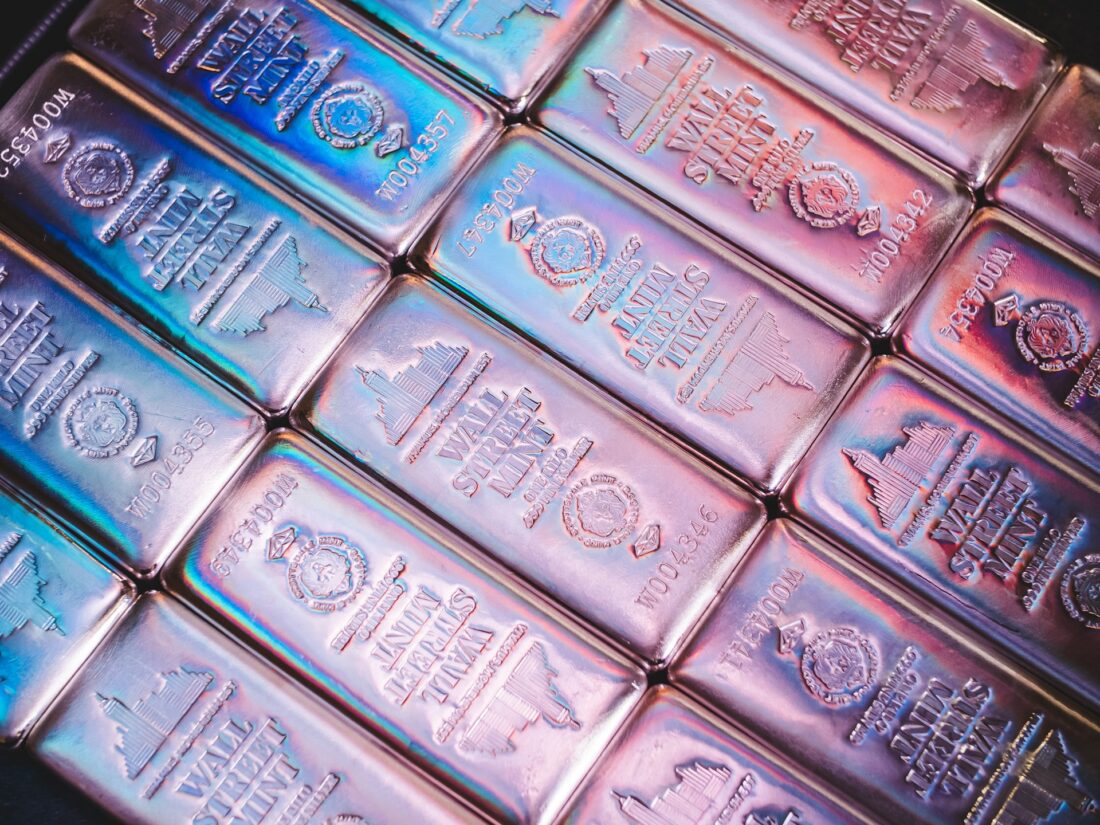
Bars often appeal to people who want a more traditional bullion format. They are usually rectangular, clearly stamped with their weight and purity, and available in a range of sizes. Smaller bars are easy to handle and store, while larger versions provide a more efficient way to accumulate greater amounts of metal. Buyers focused primarily on the quantity of copper they own may find bars attractive because larger sizes can sometimes reduce the premium paid per pound or kilogram.
Rounds have a different appeal. Although they resemble coins, they are normally privately minted and do not carry legal-tender status. Their designs can range from simple bullion markings to elaborate themes featuring wildlife, historical figures, landmarks or commemorative imagery. This gives them a collectable quality that plain bars do not always possess.
That visual element matters because copper is often purchased for reasons beyond straightforward investment. Some people enjoy collecting different designs, while others buy rounds as gifts or novelty pieces. A well-made round can have artistic value independent of the underlying metal, which explains why certain products sell at much higher premiums than their copper content alone would justify.
Those premiums are one of the most important things buyers should understand. A one-ounce copper round might contain only a modest amount of copper at commodity prices, yet the retail price could be several times higher. The difference is not necessarily unreasonable because the product still had to be manufactured, packaged, marketed and delivered. The important point is knowing what portion of the purchase price relates to the metal and what portion relates to everything else.
Bars can have premiums too, but larger sizes generally distribute manufacturing costs across more metal. A larger cast bar may therefore offer a lower percentage premium than a small, highly finished round. Buyers interested in building a physical copper position for the lowest possible cost per unit may therefore lean towards bigger bars.
The trade-off is flexibility. Large bars concentrate value into fewer pieces, which is efficient for storage but less convenient if only a small amount needs to be sold. A collection of smaller rounds or bars can be sold gradually, allowing the owner to liquidate part of the holding without disposing of everything at once.
Storage is another area where the realities of copper become obvious very quickly. Copper is bulky relative to its monetary value. A quantity of gold worth several thousand pounds could fit comfortably in a very small safe, while the same monetary value in copper could take up a large amount of physical space and weigh a great deal.
This makes storage efficiency important for anyone planning to accumulate copper over time. Rectangular bars generally stack neatly and use space efficiently, particularly when they are produced in standardised dimensions. Rounds can also be stored compactly in tubes, although individually packaged pieces may occupy more room.
Weight can become just as important as volume. A collection that looks manageable at first may eventually become surprisingly heavy. Shelving, safes and storage containers need to be capable of supporting that weight, particularly if the collection includes larger cast bars.
Oxidation is another practical consideration. Copper naturally reacts with air and moisture, gradually developing darker tones or patina. For buyers interested primarily in metal content, this may not matter at all. A tarnished copper bar still contains the same amount of metal.
Collectors may feel differently. Highly polished rounds can lose some of their visual appeal if they become heavily marked or oxidised. Capsules, sealed packaging or suitable storage conditions can help preserve appearance, although some collectors actually appreciate the changing colour of copper over time.
Purity is worth checking carefully too. Most bullion products are marketed as high-purity copper, often 0.999 fine or better. Clear markings showing weight and purity make the product easier to understand and potentially easier to resell later.
Recognisable manufacturers can add confidence because buyers know what they are purchasing. An unmarked piece may still be genuine copper, but verifying its composition can be more difficult. For this reason, products from established refiners or mints may attract stronger demand in the secondary market.
Resale is one area where copper differs significantly from gold and silver. Gold bullion has a highly developed global market with dealers routinely buying recognised coins and bars. Silver is also widely traded. Copper bullion can be less liquid because the low value of each item makes shipping and transaction costs relatively significant.
Selling a single small copper round online may not be economical once postage and platform fees are included. Larger bars can make more sense from a transaction perspective because more value is concentrated into each sale, although the buyer pool can be smaller.
This makes local resale channels potentially useful. Coin shops, bullion dealers, collectors and online communities may all provide opportunities, but anyone buying copper with eventual resale in mind should investigate those options before accumulating large quantities.
Copper’s industrial importance is often part of the investment story. The metal is used extensively in electrical wiring, construction, transport, renewable energy infrastructure and electronics because of its excellent conductivity and practical properties. Expansion of electric vehicles, power grids and renewable energy systems has increased interest in long-term copper demand.
That does not mean retail copper bullion prices will automatically rise with industrial demand. Physical bullion buyers pay premiums that may behave differently from the wholesale commodity market. A rising copper price can improve the underlying value of the metal, but a buyer who paid a very high retail premium may still need a substantial price increase before breaking even.
This is why physical copper should not necessarily be treated in exactly the same way as gold or silver. The investment case can be interesting, but the economics of retail bullion are different. Copper is cheaper, bulkier and more expensive to manufacture relative to its raw value.
For some buyers, that is not a problem because investment performance is only part of the appeal. Physical copper is tangible, attractive and accessible. A substantial bar feels significant in the hand, while detailed rounds can be enjoyable to collect even if their market value does not rise dramatically.
Collectors may also seek limited-edition designs or unusual poured bars, where scarcity and craftsmanship can matter more than commodity value. These products sit somewhere between bullion and collectables, which means their resale price can depend heavily on demand among enthusiasts rather than simply the spot price of copper.
Buyers should therefore decide what they are trying to achieve before choosing a product. Someone focused on accumulating the greatest possible weight of copper should prioritise low premiums, larger sizes and efficient storage. A collector may care more about artwork, rarity and condition. Someone interested in flexibility might prefer smaller rounds or bars that are easier to sell individually.
A mixed approach can work well too. Larger bars can make up the bulk of a holding, while a smaller number of decorative rounds add variety. This avoids paying collector-level premiums across every ounce while still making the collection interesting.
Shipping costs should also be factored in. Copper is heavy, so delivery can make up a surprisingly large proportion of the total purchase price. Two dealers offering similar product prices may work out very differently once postage is included.
Taxes and local regulations can have an effect as well. Depending on the jurisdiction, copper bullion may not benefit from the same treatment as qualifying investment gold or certain other precious metals. VAT, sales taxes or other charges can materially increase the purchase cost and should be included when assessing value.
Ultimately, copper bars and rounds serve different types of buyer. Bars generally offer better storage efficiency and can provide lower premiums in larger sizes. Rounds offer greater variety, divisibility and collectable appeal.
Neither format is automatically superior. The better choice depends on whether the buyer is most interested in raw metal content, physical collectability or a combination of the two.
Copper bullion can be enjoyable to own and offers an accessible way into physical metals, but buyers should understand that the retail price reflects far more than the copper itself. Premiums, manufacturing costs, storage, shipping and resale all play a part.
For anyone entering the market, the smartest approach is to compare the total cost per unit of copper, understand why different products command different premiums and buy according to a clear purpose. That way, the decision between bars and rounds becomes much easier, and the buyer knows exactly what they are paying for beyond the weight stamped on the metal.