Weather-Smart Pest Prevention for Texas Homes
Texas weather can shift quickly from heavy rain to dry heat, then turn cool with the next front. Those changes can affect where insects and rodents look for water, food, shelter, and nesting space. Homeowners who want help assessing recurring activity can learn more about residential pest control options while building stronger prevention habits at home.
Weather does not create every pest problem, but it can make existing vulnerabilities more noticeable. A leaky outdoor faucet, clogged gutter, unsealed pipe opening, or crowded garage may become especially attractive when conditions outdoors are too wet, hot, dry, or cold.
Why Texas Weather Can Change Pest Behavior
Most household pests seek food, water, suitable temperatures, and sheltered places to hide or reproduce. Rain can saturate soil, fill containers, and disrupt nests in mulch or ground cover. Prolonged heat may dry outdoor hiding spots and drive pests toward shade, air-conditioning condensate lines, pet bowls, and plumbing leaks.
A sudden sighting does not necessarily indicate a large infestation. One cockroach after a storm or an ant trail during a dry spell may signal a temporary search for shelter or moisture. However, repeated sightings in one area matter. Record the location, time, recent weather, and nearby food or water sources.
How Each Season Can Affect Household Pests
Spring: Activity Begins to Rise
As temperatures warm, ants, termites, mosquitoes, and wasps may become more noticeable. Spring rain can leave damp soil near foundations and create standing water in clogged gutters, flowerpots, toys, and low spots in the yard. Check window screens, door sweeps, exterior vents, and foundation penetrations before seasonal activity builds.
Summer: Heat, Humidity, and Outdoor Pressure
Texas summers can bring heat, humidity, and periods of intense rainfall. Mosquitoes breed in standing water, while cockroaches, fire ants, and stinging insects may be active around patios, garages, play areas, and shaded vegetation. Empty water-holding containers after rain, repair irrigation leaks, and keep outdoor trash containers closed.
Fall: Pests Search for Shelter
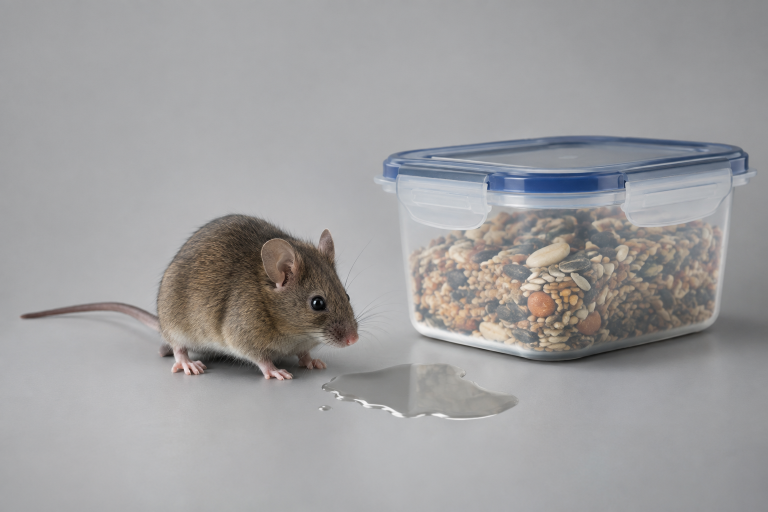
When temperatures begin to decline, rodents and insects may look for more stable shelter. Inspect gaps around garage doors, rooflines, utility pipes, cable entries, vents, and foundations. Trim shrubs and tree branches away from exterior walls, and remove leaf piles, cardboard, and stored materials that create protected hiding places near the home.
Winter: Outdoor Activity Slows, but Indoor Problems Can Continue
Mild Texas winters do not stop all pest activity. Rodents can nest in attics, garages, and storage areas, while cockroaches and spiders may remain active in warm, quiet spaces. Periodically inspect seldom-used rooms, crawlspaces, utility closets, and stored belongings for droppings, webs, shed skins, or damaged materials.
Common Weather-Related Pest Problems
- Ants: Often follow moisture and food sources along foundations, patios, and interior walls.
- Mosquitoes: Can reproduce in small collections of standing water around the property.
- Termites: May be more noticeable around damp wood, soil contact, drainage problems, or moisture-damaged areas.
- Cockroaches: May enter when outdoor conditions become excessively hot, dry, wet, or cold.
- Rodents: Seek protected entry points, accessible food, nesting material, and warmth.
- Spiders: Can become more visible where prey insects gather near lights, vegetation, and sheltered corners.
A Simple Weather-Based Home Inspection
Use this checklist after heavy rain, a long dry spell, or the first notable cold front:
- Walk the foundation and look for pooled water, damp soil, cracks, and gaps.
- Check door sweeps, weather stripping, window screens, and vent covers.
- Inspect where pipes, wires, cables, and air-conditioning lines enter the structure.
- Clean gutters and make sure downspouts direct water away from the home.
- Remove standing water from pots, buckets, tarps, toys, and outdoor furniture.
- Store pantry goods, pet food, birdseed, and dry goods in sealed containers.
- Keep firewood, lumber, mulch, and cardboard away from exterior walls.
Use Integrated Pest Management at Home
Integrated pest management, often called IPM, is a practical approach that begins with identification and prevention rather than immediately reaching for a product. The EPA describes monitoring, prevention, and informed control decisions as core parts of an IPM approach.
- Identify the pest before choosing a control method.
- Remove food, water, and shelter when possible.
- Use screens, seals, traps, and sanitation as first-line measures.
- Read and follow every pesticide label if treatment is needed.
- Keep children, pets, and food away from treated areas as directed.
When DIY Prevention May Not Be Enough
One occasional pest may not require major action. However, repeated activity, rodent droppings, gnaw marks, damaged wood, mud tubes, nests, shed skins, or unusual odors can justify a closer inspection. Professional assistance may be appropriate when pests could affect health, cause structural damage, or occupy difficult-to-reach areas such as wall voids, attics, or crawlspaces.
Common Questions About Weather and Pests
Does Rain Always Increase Pest Activity?
No. Rain can create breeding areas for some pests and force others out of saturated soil or flooded nests. The result depends on the species, drainage conditions, rainfall amount, and available shelter nearby.
Why Do Pests Enter Homes After a Heat Wave?
Extreme heat can make cooler, darker areas with dependable moisture more appealing. Kitchens, bathrooms, garages, crawlspaces, and wall voids may offer better conditions than exposed outdoor spaces.
Are Pests Still Active During a Texas Winter?
Yes. Outdoor activity may decline for some insects, but rodents, cockroaches, spiders, and other pests can remain active inside conditioned buildings.
Helpful Texas Pest Prevention Resources
For additional guidance, Texas homeowners can review prevention tactics for common household pests that emphasize reducing conditions that allow pests to enter homes.
Conclusion
Weather patterns can change where pests travel and what they seek, but a steady prevention routine gives homeowners an advantage. Check the exterior after major weather shifts, correct moisture problems, protect food storage, reduce clutter, and seal likely entry points. These simple steps can make pest issues easier to spot early and easier to manage throughout the year.