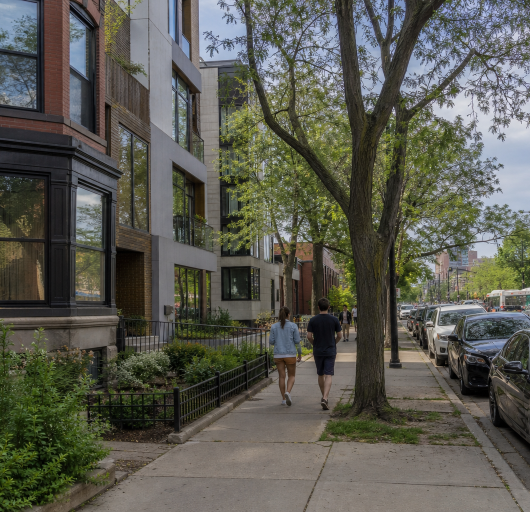
New Jersey Home Moves: A Practical Guide for Rumson, Monmouth County, and Nearby Buyers and Sellers
Buying or selling a home in New Jersey calls for more than a quick scan of listing photos and estimated values. From Rumson and the Jersey Shore to inland Monmouth County communities, a property’s true fit can depend on taxes, maintenance, commuting patterns, flood exposure, and the condition of systems that may not be visible during a showing.
For readers who want neighborhood-level support, Rumson NJ real estate experts Ten Hoeve Realty Group offer buyer, seller, and investor guidance through a New Jersey real estate website that includes property searches, home valuation tools, local market content, and services across Monmouth County and surrounding Central New Jersey communities. Ten Hoeve Realty Group can be a useful local reference point when comparing property details, recent sales, and the questions that matter before a major decision.
Start With Local Market Reality
Real estate is local, particularly in a place as varied as New Jersey. A waterfront home near the Navesink River, a commuter-oriented property near major transportation routes, and a house on a larger inland lot may attract different buyers and carry different ongoing costs. Online estimates are useful starting points, but they cannot replace a review of nearby closed sales, current competition, taxes, condition, and the features buyers value in that specific location.
Two similarly priced homes can produce very different ownership experiences. One may have an older roof or heating system, while another may involve homeowners’ association dues, higher insurance costs, or more seasonal exterior upkeep. Looking beyond the asking price helps buyers avoid surprises and helps sellers present their homes with realistic expectations.
Build a Complete Buyer Budget
The mortgage payment is only one piece of the monthly cost of owning a home. Before making an offer, estimate both the cash needed to close and the recurring expenses that will continue after move-in day.
Costs to Include
- Down payment and closing costs
- Principal and interest
- Property taxes and homeowners insurance
- Flood insurance, when applicable
- Utilities, landscaping, snow removal, and seasonal maintenance
- Homeowners association or condominium dues
- Immediate repairs, furnishings, and moving expenses
Keep a reserve for repairs that may arise soon after closing. Even a well-maintained home may require a service call, an appliance replacement, drainage improvements, or other unplanned work during the first year of ownership.

Prepare a Home for Sale
Preparing a home does not always require a full renovation. The most effective work often improves first impressions, corrects visible defects, and reduces the questions that could slow negotiations. Sellers should focus on condition, clarity, and presentation rather than making expensive changes without a clear reason.
Practical Pre-Listing Tasks
- Declutter rooms, closets, counters, and storage spaces.
- Repair leaks, loose railings, damaged trim, and broken fixtures.
- Improve lighting, clean windows, and refresh high-traffic surfaces.
- Maintain the entry, walkways, landscaping, and exterior lighting.
- Gather permits, warranties, service records, and receipts for major work.
- Review recent comparable sales before deciding on a list price.
Clear records can be especially helpful when buyers ask about the roof, mechanical systems, renovations, or prior repairs. A clean home with straightforward documentation often feels easier for buyers to evaluate.
Review Local Property Risks
Property research should extend beyond square footage and bedroom count. Buyers should ask about water intrusion, drainage, open permits, septic or well systems where relevant, planned nearby development, and daily travel patterns during their normal commute hours.
Flood research deserves special attention in coastal and river-adjacent parts of Monmouth County, but it can also matter elsewhere. New Jersey’s flood disclosure requirements took effect on March 20, 2024, and require sellers to provide specified flood-risk information through a property condition disclosure statement before a purchaser becomes obligated under a purchase contract. Buyers should review the disclosure, ask follow-up questions, and consider how flood risk could affect insurance, maintenance, and resale decisions.
Compare Financing Options
Choosing the first lender that responds can make it harder to see meaningful differences in rate structure, lender charges, points, and required cash at closing. A preapproval helps establish a budget, but buyers still need to understand the loan terms behind the letter.
Questions for Mortgage Lenders
- What is the estimated monthly payment, including taxes and insurance when available?
- How much cash is needed for the down payment and closing costs?
- Is the interest rate fixed or adjustable?
- Are points, lender credits, or other fees included?
- What could change before final loan approval?
The Consumer Financial Protection Bureau advises borrowers to compare at least three loan offers from different lenders. Requesting comparable options can make it easier to evaluate the full payment, loan term, interest rate structure, and upfront costs, rather than focusing on a single number.
Use the Inspection Period Wisely
An inspection is an opportunity to learn more about a property’s condition, not a formality to rush through. Buyers should consider attending when possible, ask the inspector to explain significant findings, and review the report carefully before deadlines pass.
Depending on the home and location, follow-up evaluations may be appropriate for radon, wood-destroying insects, chimneys, wells, septic systems, mold concerns, structural issues, or specialized mechanical equipment. An inspection does not guarantee that a home will never need repairs, but it can help buyers make a more informed decision and identify questions for the seller.
Write a Strong, Sensible Offer
A strong offer is about more than price. Sellers may consider financing strength, proof of funds, earnest money, inspection language, appraisal terms, closing timing, and flexibility around possession. Buyers should understand every term before signing and should avoid giving up protections they do not fully understand.
Set a firm maximum before entering a competitive situation. Winning a bidding process is not a success if the payment leaves no room for repairs, routine maintenance, or normal household expenses. A well-structured offer should match both the property’s value to the buyer and the buyer’s long-term financial comfort.
Final Home-Move Checklist
- Set a complete buying or selling budget.
- Review nearby sales and active competition.
- Check taxes, insurance, utilities, and maintenance needs.
- Review flood-risk information and required disclosures.
- Compare multiple mortgage options when financing.
- Schedule an independent inspection and any needed follow-up testing.
- Confirm contract deadlines, contingencies, and closing terms.
- Keep cash available for moving and early ownership costs.
Conclusion
A thoughtful New Jersey home move in 2026 depends on preparation rather than speed. Buyers can protect their budgets by examining the full cost of ownership, while sellers can create confidence through sound pricing, careful preparation, and clear information. Taking each step early can make the path from first showing to closing calmer, clearer, and more manageable.