Continuum of Care for Seniors: Support & Dignity
What is the Continuum of Care for Seniors?
As adults age, their health and social needs change, often requiring an evolving care network. The continuum of care addresses this reality by providing a comprehensive, connected set of services that adapt seamlessly at each aging stage. Whether transitioning from independent living to assisted services or seeking support for more acute needs, seniors benefit significantly from a coordinated approach that puts comfort, safety, and independence first. For those searching for extensive care options, a skilled nursing home facility Missouri offers critical linked services, helping families ensure the highest quality of life for their loved ones.
Unlike fragmented care that leaves gaps as needs shift, the continuum model prioritizes smooth transitions, robust communication, and personalization of services. It encompasses everything from home-based support and community resources to advanced nursing and palliative care. By integrating medical providers, support staff, and families into a unified plan, seniors are better equipped to face the challenges of aging while retaining dignity and agency. Resources like AARP’s Continuum of Care Guide highlight the pivotal role of coordinated care in preventing unnecessary hospitalizations and promoting holistic wellness.
Core Components of a Comprehensive Care Journey
- Preventive Health Management: Early screenings, health checks, and wellness initiatives form the first defense against decline, aiming to keep seniors thriving in their preferred environments.
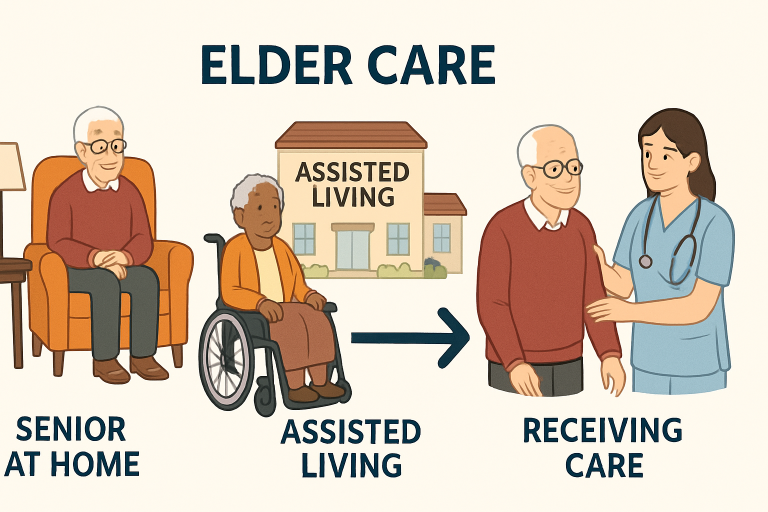
- Assisted Living Support: As activities of daily living become more challenging, personalized assistance offers support with grooming, medication, and meals, adapting to individual capabilities.
- Skilled Nursing Care: When complex medical needs arise, trained professionals ensure 24/7 monitoring and treatment in specialized facilities dedicated to seniors’ unique requirements.
- Palliative and Hospice Care: Focusing on comfort, pain management, and emotional support, palliative and end-of-life care honors quality of life and personal wishes during advanced aging stages.
Each level builds on the last, ensuring no aging phase is overlooked. According to National Institutes of Health research, continuous, connected care leads to improved health outcomes and emotional security, underscoring the value of a true continuum.
Why a Continuum Matters for Aging Adults
The continuum model’s key outcomes are maintaining independence, enjoying emotional stability, and reducing the frequency of acute medical interventions. As revealed in multiple studies, almost 90% of seniors wish to remain in their homes for as long as possible. Seniors can delay institutionalization and proactively manage chronic conditions through home-based care, regular assessments, and companion services. Family stress is lowered, and older adults report higher satisfaction and stronger social bonds with familiar caregivers.
For those considering senior care across Missouri and beyond, understanding how continuum of care models operate—and how they elevate daily living—enables families to make informed decisions that honor seniors’ long-term well-being and preferences.
Models and Options: Tailoring to Individual Needs
A successful continuum of care acknowledges that each senior’s situation is unique. Options range from in-home assistance and adult day programs to independent retirement communities and integrated care campuses. Decisions should weigh factors such as mobility needs, chronic health conditions, mental acuity, and personal interests. Engaging in discussions with seniors early—well before urgent care needs arise—can minimize stress and improve outcomes during transitions. Local resources can also supplement formal care by providing transportation, meal delivery, or social opportunities matched to the individual’s interests and needs.
The Role of Family and Community in Senior Care
Family involvement is a vital support system for seniors navigating complex health decisions. Relatives often assist with research, coordinate care, and provide companionship, enhancing the continuum’s effectiveness. Communities play an equally significant role, offering opportunities for engagement through clubs, classes, and intergenerational programs that stave off isolation and strengthen emotional health. The most effective care plans involve all stakeholders—seniors, family, and professionals—collaboratively determining next steps and continually adjusting to evolving needs.
Best Practices for Delivering Effective Continuum Care
Best-in-class continuum care starts with a comprehensive assessment that illuminates health status and emotional, spiritual, and social needs. Open communication between medical providers, care staff, and families enables earlier interventions and swiftly addresses all changes. Successful programs embrace a holistic mindset, integrating nutritional counseling, mental health care, and physical activity to boost wellness and independence. Case studies in leading independent living communities, as noted by The National Institute on Aging, have consistently shown that flexible, proactive planning supports happier and more active aging.
Future Directions and Policy Developments
As America’s senior population grows, national and state policy discussions are turning toward solutions that make quality senior care more affordable, accessible, and culturally responsive. Technology is a driving force for change, with telehealth platforms, wearable devices, and smart home tools increasingly supplementing traditional care settings. Such innovation enables seniors to live more safely and independently, regardless of geography. Policy makers and researchers also advocate for broader caregiver support programs and funding for innovations in person-centered care models.
Resources for Seniors and Caregivers
Seniors and their caregivers can find comprehensive guidance using reputable resources like the CDC’s Aging & Health programs and advocacy groups like the National Council on Aging. They provide tools on legal rights, financial planning, and available care options. Staying informed and accessing up-to-date programs allows every senior to navigate aging with dignity, safety, and the fullest quality of life possible.