A Deeper Look Into Truck Modding In 2026
Truck modification has evolved from a niche hobby into a mainstream culture that spans generations, income brackets, and geographic regions. What once involved swapping out a muffler or adding a set of mud flaps has grown into a sophisticated ecosystem of performance upgrades, aesthetic customizations, and functional enhancements. As we move through 2026, the truck modding industry continues to expand, driven by a combination of nostalgia, practicality, and the desire for personal expression on the road.
The Growing Market for Truck Customization
The aftermarket truck parts industry has seen consistent growth over the past several years, with estimates suggesting the global automotive aftermarket could surpass 500 billion dollars in value within the next few years. Trucks, in particular, represent a significant portion of this spending because owners tend to view their vehicles not just as transportation but as an extension of their identity and lifestyle. Pickup trucks remain among the best-selling vehicles in North America, and a substantial percentage of new truck buyers invest in some form of modification within the first year of ownership.
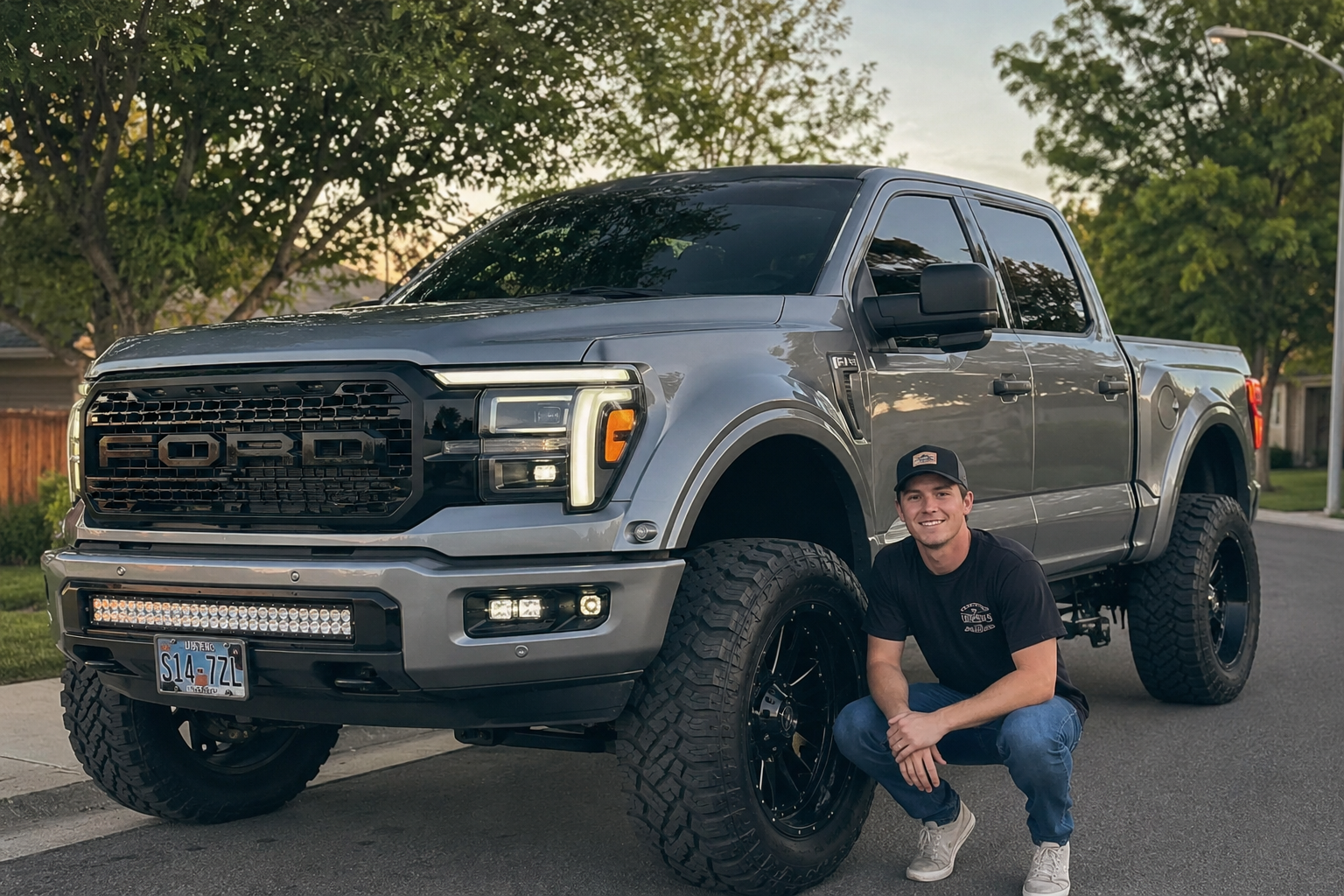
This surge in customization spending reflects a broader shift in how people relate to their vehicles. Where earlier generations might have kept a truck stock for practical reasons, today’s owners are more willing to invest in upgrades that improve both form and function. Financing options, increased disposable income among younger truck owners, and the proliferation of online tutorials have all contributed to this trend.
Protective Modifications Take Center Stage
While performance upgrades often get the most attention, protective modifications have quietly become one of the most popular categories in truck customization. Owners who use their trucks for work, hauling, or off-road adventures understand that the truck bed takes a beating over time. Scratches, dents, rust, and corrosion can significantly reduce a vehicle’s resale value and functional lifespan. This is why applying Spray on Bedliner for trucks has become a standard step for many owners looking to protect their investment while also giving their vehicle a more finished, professional appearance. Unlike drop-in liners, which can trap moisture and lead to rust underneath, sprayed-on coatings bond directly to the truck bed, creating a seamless barrier against impact, chemicals, and weather exposure. Many owners report that this single upgrade extends the usable life of a truck bed by several years, making it one of the more cost-effective modifications available.
Performance Upgrades and Engine Tuning
Beyond protection, performance remains a driving force behind truck modding culture. Cold air intakes, exhaust systems, and ECU tuning continue to dominate online forums and modification shops. These upgrades can increase horsepower by a noticeable margin, sometimes adding anywhere from 15 to 50 additional horsepower depending on the base engine and the extent of the modifications. Turbocharger upgrades and aftermarket exhaust systems remain particularly popular among diesel truck owners, who often seek both improved towing capacity and a more aggressive engine note.
Suspension modifications also play a major role in this category. Lift kits, whether modest two-inch leveling kits or more dramatic six-inch systems, allow owners to fit larger tires and achieve a more commanding stance on the road. Off-road enthusiasts frequently pair these lift kits with upgraded shocks and skid plates to prepare their trucks for rougher terrain.
Aesthetic Customization and Personal Expression
The visual side of truck modding cannot be overstated. Custom paint jobs, vinyl wraps, and grille replacements allow owners to differentiate their vehicles from the thousands of similar models on the road. Wheel and tire packages remain one of the most requested upgrades, with larger diameter wheels paired with all-terrain or mud-terrain tires becoming especially popular among younger buyers. LED lighting packages, both for headlights and underbody accents, have also grown significantly as LED technology has become more affordable and energy efficient compared to traditional halogen setups.
Interior modifications have gained traction as well, particularly as trucks increasingly serve as daily drivers rather than purely work vehicles. Upgraded infotainment systems, custom upholstery, and sound-deadening materials reflect a growing expectation that trucks should offer the same comfort and technology found in passenger cars.
The Role of Technology in Modern Modding
Technology has fundamentally changed how truck owners approach modifications. Diagnostic tools that once required professional-grade equipment are now available as smartphone-connected devices, allowing owners to monitor engine performance, fuel efficiency, and error codes in real time. This democratization of information has empowered a new generation of do-it-yourself modders who research extensively online before making a purchase or attempting an installation.
Social media platforms have also played an outsized role in shaping trends. Build threads, time-lapse installation videos, and before-and-after transformation posts generate significant engagement, often influencing what modifications become popular in a given year. This visibility has created a feedback loop where trending modifications spread quickly across owner communities, accelerating adoption rates for certain upgrades.
Looking Ahead
As 2026 progresses, the truck modding industry shows no signs of slowing down. Electric and hybrid trucks are beginning to enter the customization conversation, presenting new challenges and opportunities for aftermarket manufacturers. Meanwhile, traditional gas and diesel truck modifications continue to thrive, supported by a passionate community of owners who view their vehicles as ongoing projects rather than finished products. Whether the goal is improved durability, enhanced performance, or simply a more personalized appearance, truck modding remains one of the most dynamic corners of automotive culture today.