What Is Emface Treatment and How Does It Work?
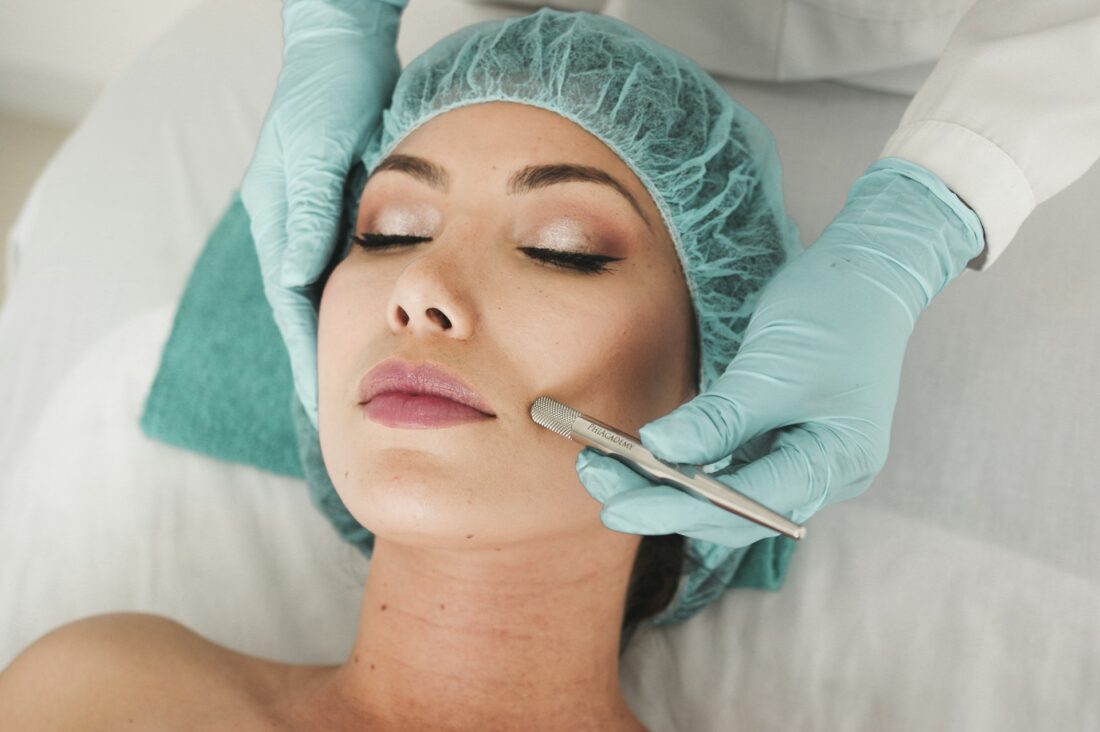
Not every facial treatment works by focusing solely on the surface of the skin. Increasingly, aesthetic technology is looking at the structures underneath it as well, including the muscles that help shape and support facial features. This is the principle behind Emface treatment, a non-invasive procedure that combines radiofrequency energy with targeted facial muscle stimulation. Rather than relying on needles or surgery, the technology is designed to work on both the skin and selected facial muscles during the same session.
Two Technologies Working at Once
What makes Emface distinctive is the combination of two different forms of energy.
The first is synchronised radiofrequency, commonly shortened to RF. During treatment, RF energy produces controlled heating within the treatment area. This is intended to influence the skin and supporting tissue, with the aim of improving aspects of its appearance. Radiofrequency itself is already used in a variety of non-invasive aesthetic technologies.
At the same time, Emface uses HIFES technology to stimulate particular facial muscles. The stimulation causes repeated muscle contractions without the patient deliberately making those movements. The manufacturer describes this element of the procedure as targeting muscles involved in elevating and supporting facial features.
The easiest way to understand the difference is to think about what contributes to the overall appearance of a face. Skin is obviously important, but it sits over a much more complicated underlying structure. Muscles are constantly involved in expression and movement. By combining technologies aimed at different layers, Emface takes a different route from treatments concerned primarily with the skin’s surface.
What Does a Session Involve?
Emface is designed as a hands-free procedure. Applicators are positioned on selected areas of the face, where they deliver the RF heating and muscle stimulation. There are no surgical incisions involved, and the treatment does not depend upon injecting a substance into the facial muscles.
During a session, a person can expect to feel warmth alongside repeated muscle contractions. The treatment settings and areas addressed will depend on the equipment being used and the individual’s treatment plan.
This distinction is worth remembering when comparing Emface with other aesthetic procedures. Injectable treatments, resurfacing procedures and traditional facials all work in different ways. One should not automatically be viewed as a replacement for another simply because they may be used to address some similar cosmetic concerns.
As with any aesthetic procedure, suitability should be assessed individually. Medical history, existing conditions, previous procedures and expectations can all be relevant when deciding whether a particular treatment is appropriate.
Perhaps the most interesting aspect of Emface is therefore not simply that it is another facial treatment, but the thinking behind it. Its approach recognises that facial appearance is influenced by more than the outermost layer of skin. By combining controlled RF energy with targeted muscle stimulation, it offers a different non-invasive approach to facial aesthetic treatment.